Skip to content
Division of Health AIDivision of Health AI
AboutTeamResearchPublicationsJoin
Theme
Division of Health AIDivision of Health AI

Clinical AI built with the data and clinicians of Northwell Health.

Explore

  • About
  • Team
  • Research
  • Publications
  • Join

Affiliations

  • Feinstein Institutes (opens in new tab)
  • Northwell Health (opens in new tab)
  • Zucker School of MedicineHofstra Northwell

Located at

  • Institute of Health System Science
  • Institute of Bioelectronic Medicine
  • Manhasset, New York

© 2026 Division of Health AI, Northwell Health. All rights reserved.

All research

Division project · Active since 2024

ECG deep learning

Generative and predictive models over the electrocardiogram: reconstructing the full twelve-lead ECG from a minimal set of leads, and stratifying acute coronary syndrome risk from the admission ECG.

Overview

The electrocardiogram is the most widely collected cardiac signal and the least exploited. Two strands develop deep learning over it. The first asks whether a small number of leads, of the kind a wearable or a single-lead device can record, carries enough information to reconstruct the full twelve-lead signal. The second uses admission ECG features together with vital signs to identify acute coronary syndrome patients at high risk of in-hospital mortality and adverse events.

Status
Active since 2024
Program
Division project
Team
1 member

Lines of work

2 strands

  1. 01

    Minimal-lead ECG reconstruction

    This project develops generative deep learning models to reconstruct multi-lead ECG signals from minimal input leads, assessing whether a small number of key ECG recordings can capture sufficient signal and diagnostic information for robust clinical interpretation and scalable cardiac monitoring.

    No publication yet.

  2. 02

    Risk stratification for acute coronary syndrome

    Machine learning models identify high-risk acute coronary syndrome patients using admission ECG features and vital signs to predict in-hospital mortality and clinical deterioration, with interpretable outputs that guide triage and escalation decisions in acute cardiovascular care.

    No publication yet.

People

On this project

Nabil Ettehadi, PhD

AI/ML Advisor

More division projects

Division project

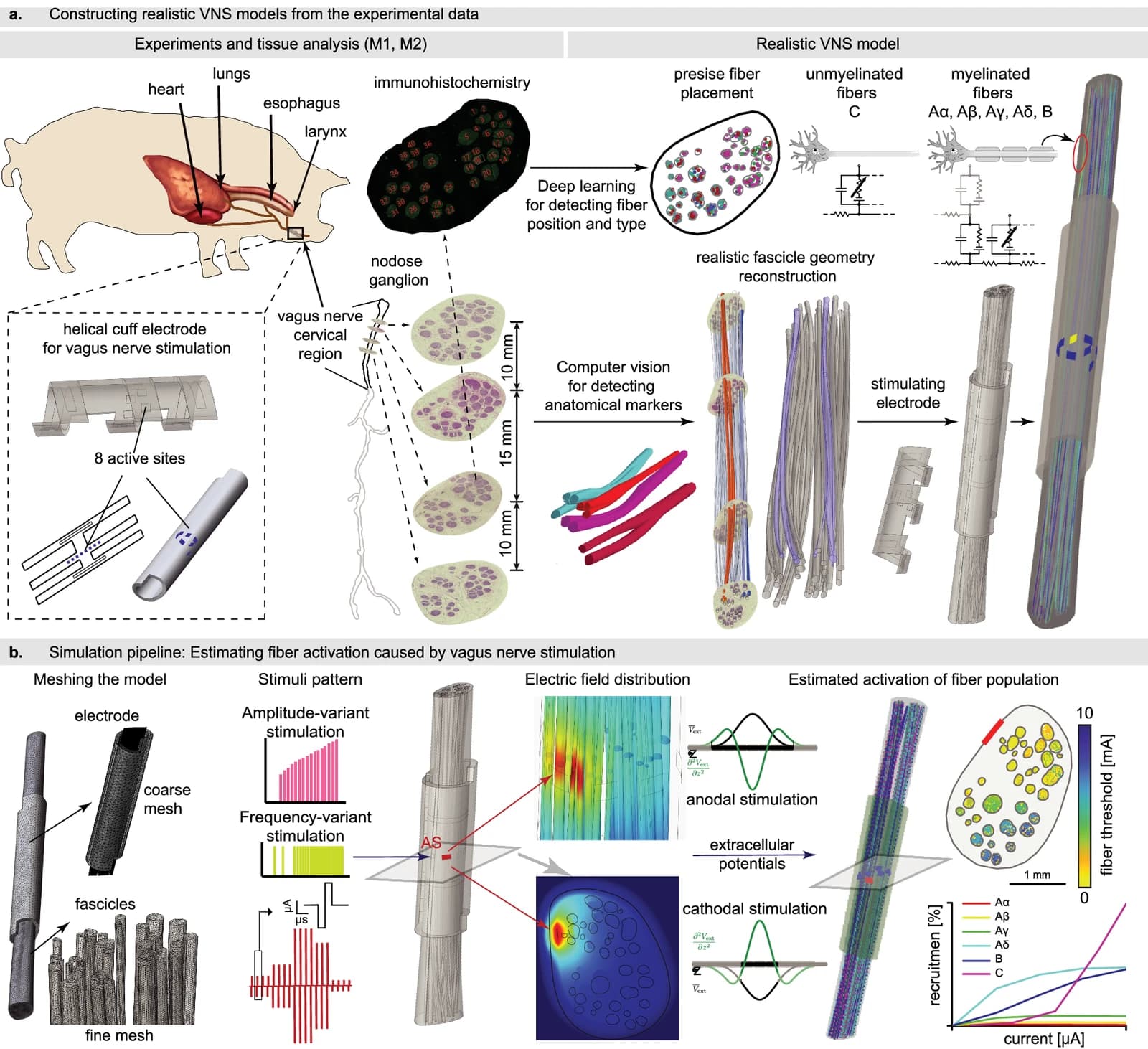
Computational models of vagus nerve stimulation

Histologically realistic models of the cervical vagus nerve that predict which fibers a stimulation pattern will activate, used to design selective, organ-specific vagus nerve stimulation.

Division project

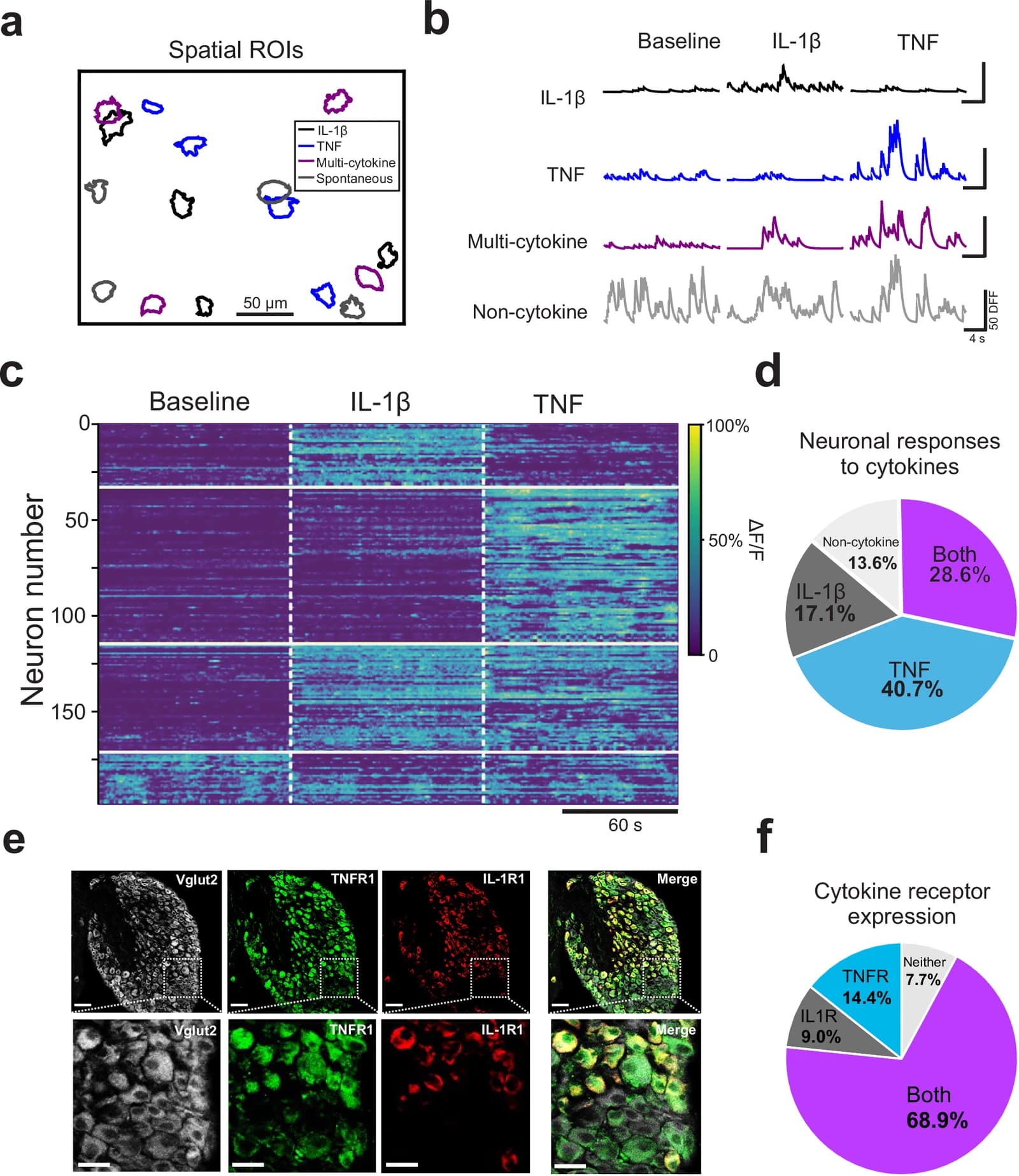
Decoding the vagus nerve: preclinical recording and interpretation

Recording from the mouse vagus nerve, chronically and wirelessly, and decoding what its neurons report about inflammation and metabolism, toward bioelectronic devices that diagnose and treat from neural signals.

Division project

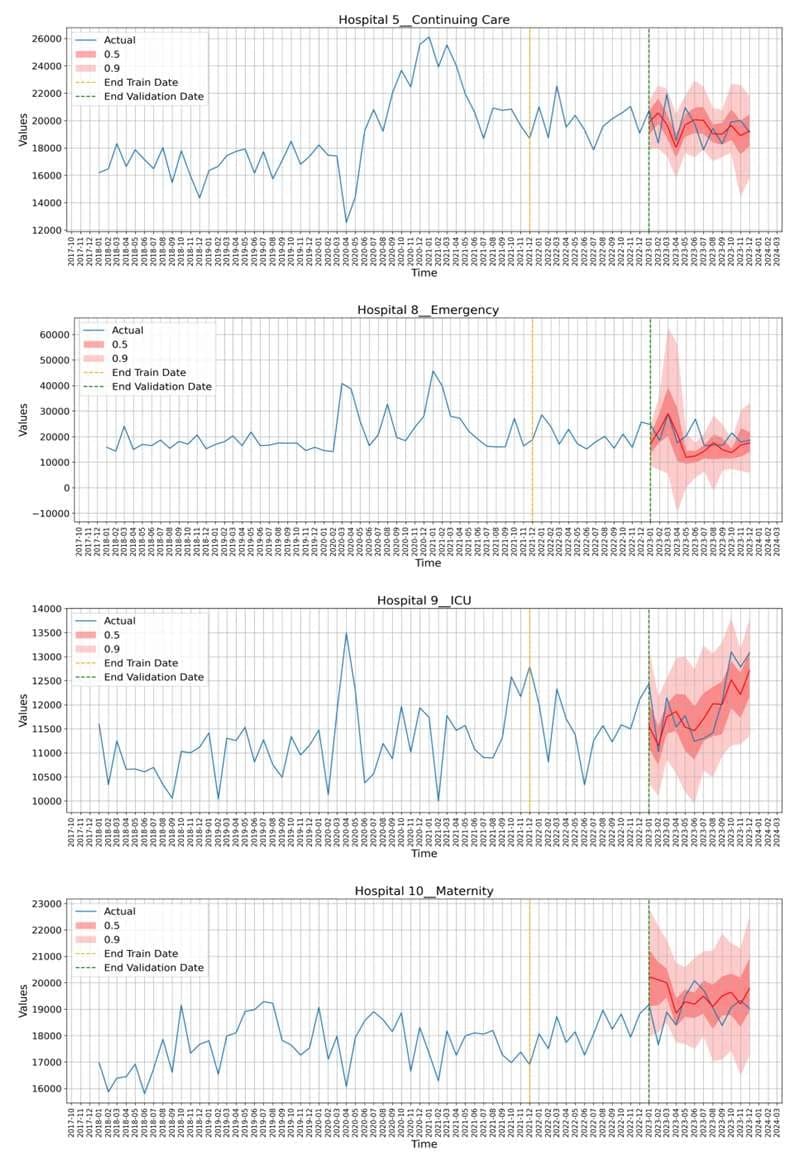
Nursing workforce forecasting

Machine learning models using DeepAR probabilistic forecasting predict nursing workforce demand across Northwell's hospital units up to 12 months ahead, supporting preemptive hiring and staffing decisions across diverse specialties.

Division project

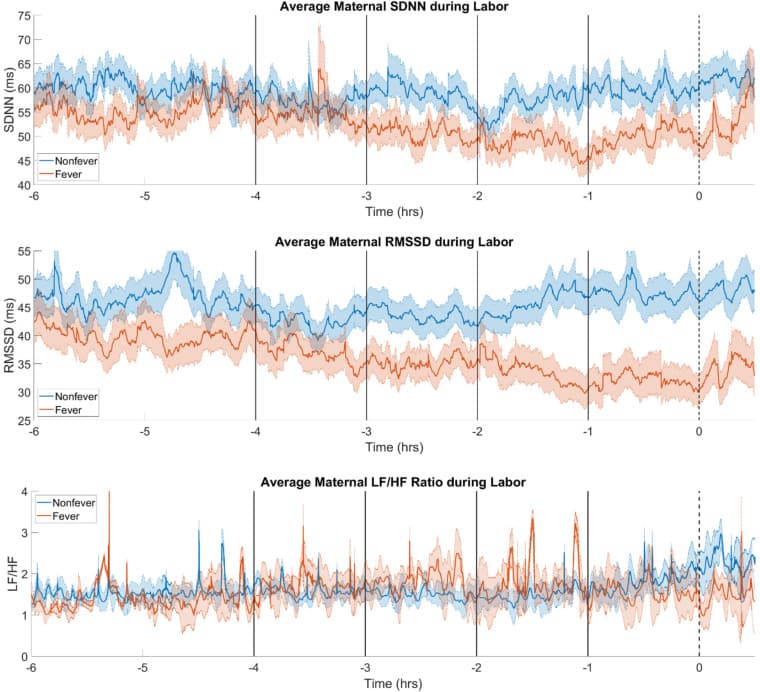
Maternal fever / neonatal sepsis prediction

Continuously monitored vital signs and heart rate variability during labor predict maternal fever 2-3 hours before clinical onset, with area under the curve of 0.748, enabling early detection of mothers at risk for neonatal early-onset sepsis.

←Previous

Delirium identification and prediction

Next→

Ambulatory no-show prediction